
By Glend MaatitaUpdated
Why build a Private Cloud?
A private cloud brings the automation and elasticity of the public cloud to infrastructure dedicated to a single organization. This guide explains why companies consider building one, the cost, control, and security benefits, and the challenges to weigh before you start.
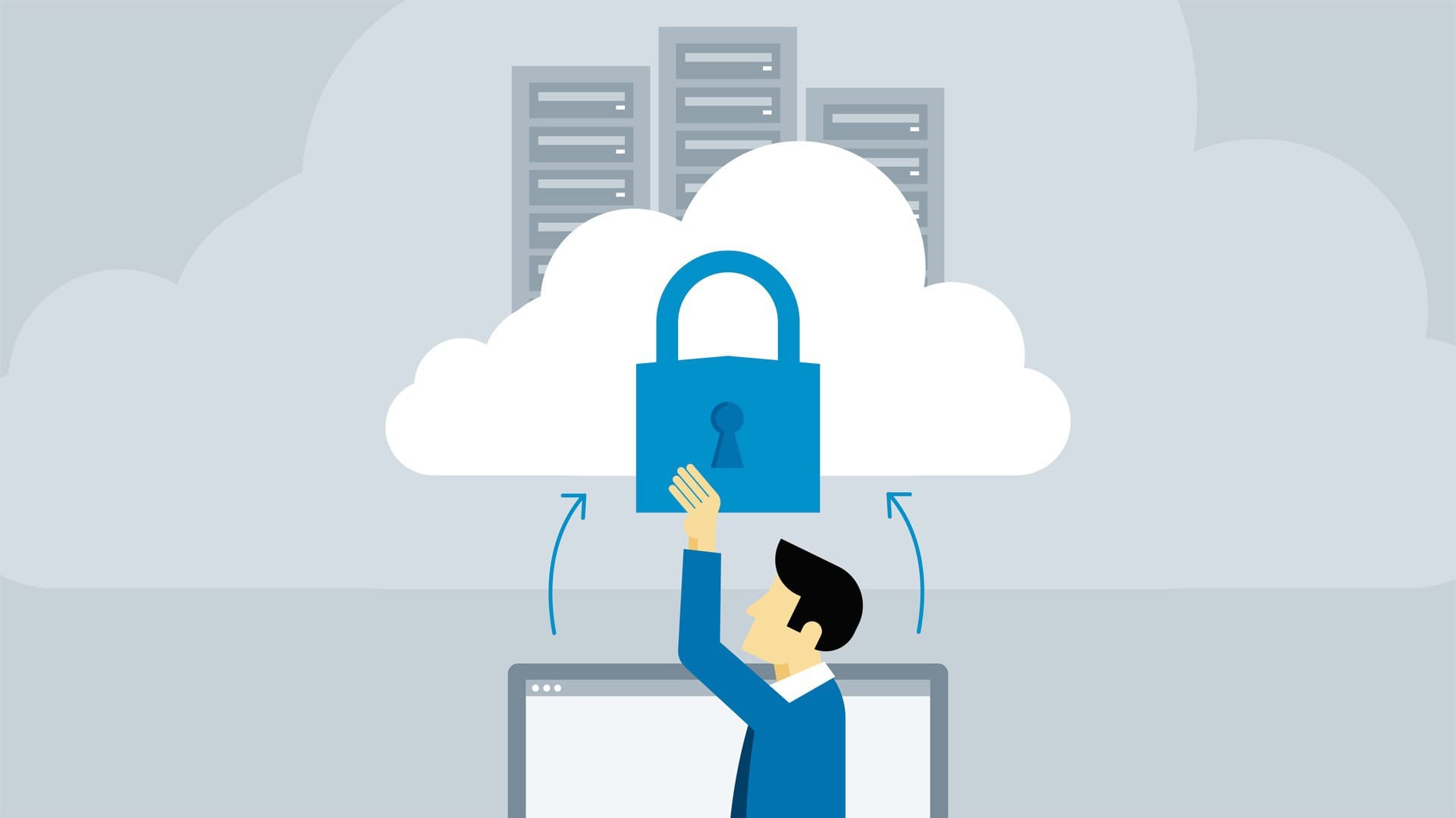
Public cloud is the default choice for good reason, but it is not always the most cost-effective or appropriate one. For organizations with steady workloads, strict data requirements, or a desire for more control, a private cloud can be a compelling alternative.
Below, we explain what a private cloud is, why companies build one, and the trade-offs to consider before committing.
What is a private cloud?
A private cloud is cloud infrastructure dedicated to a single organization, run on its own hardware or on dedicated servers rather than shared with other customers. It delivers the same self-service, automation, and elasticity as a public cloud, but the organization controls the environment end to end.
In practice, a modern private cloud is usually built on open-source platforms like OpenStack and Kubernetes, which provide the compute, storage, and orchestration layers on infrastructure you own or lease.
Open-source technologies and no vendor lock-in
A major reason to build a private cloud is freedom from vendor lock-in. Open-source platforms like OpenStack give you a full, powerful cloud stack without proprietary dependencies, and Kubernetes has become the standard for running and orchestrating applications consistently across any environment.
Building on these open foundations means your private cloud speaks the same language as the public cloud, so workloads stay portable and you are never tied to one provider's roadmap or pricing.
Enhanced security, control, and data sovereignty
Running your own cloud gives you direct control over where data lives and how it is protected, which matters when regulations require data to stay in a specific location or jurisdiction. A private cloud makes data sovereignty and compliance far easier to guarantee.
It also lets you customize security practices to your exact needs rather than working within a provider's defaults, and it supports long-term sustainability by keeping your infrastructure and its costs under your control.
Challenges and considerations
A private cloud is not free of trade-offs. It requires upfront investment in hardware and the expertise to design, build, and operate the platform, along with ongoing capacity planning so you have enough headroom without overspending on idle hardware.
For bursty or unpredictable workloads, the public cloud's pay-as-you-go elasticity can still win. Many organizations land on a hybrid approach: a private cloud for steady, sensitive workloads and public cloud for spikes.
How 8grams builds private clouds
At 8grams, we design and build private clouds on open-source foundations like OpenStack and Kubernetes, on your own hardware or dedicated servers. Clients get the elasticity and automation of the cloud with the cost predictability, control, and data sovereignty of running it themselves, and no vendor lock-in.
Key takeaways
- A private cloud is cloud infrastructure dedicated to one organization, delivering cloud elasticity on infrastructure you control.
- For steady, predictable workloads it can be more cost-efficient than public cloud, replacing a rising bill with a fixed cost.
- Built on open-source platforms like OpenStack and Kubernetes, it avoids vendor lock-in and keeps workloads portable.
- It offers strong control, security, and data sovereignty, but requires upfront investment, expertise, and capacity planning.
References & further reading
Common questions.
What is a private cloud?
A private cloud is cloud infrastructure dedicated to a single organization, run on its own hardware or dedicated servers. It provides the same self-service, automation, and elasticity as a public cloud, but the organization controls the whole environment.
Why should a company build a private cloud?
For steady workloads it can be more cost-efficient than public cloud, it avoids vendor lock-in through open-source platforms, and it gives strong control over security and data location, which matters for compliance and data sovereignty.
Is a private cloud cheaper than public cloud?
It can be for steady, predictable workloads that run continuously, where owning capacity replaces a rising monthly bill with a fixed cost. For bursty or unpredictable workloads, public cloud's pay-as-you-go model may still be cheaper.
What technologies are used to build a private cloud?
Modern private clouds are typically built on open-source platforms like OpenStack for the cloud stack and Kubernetes for running and orchestrating applications, on hardware the organization owns or leases.
What is the difference between private and public cloud?
Public cloud is shared infrastructure rented from a provider on demand. A private cloud is dedicated to one organization and runs on its own or dedicated hardware, giving more control over cost, security, and data location.
How does a private cloud help with data sovereignty?
Because you control where the infrastructure and data physically live, a private cloud makes it straightforward to keep data in a specific location or jurisdiction, which is essential when regulations require it.
Does a private cloud avoid vendor lock-in?
Built on open-source foundations like OpenStack and Kubernetes, a private cloud avoids proprietary dependencies and keeps workloads portable, so you are not tied to a single provider's roadmap or pricing.
What are the challenges of a private cloud?
A private cloud requires upfront investment in hardware and the expertise to build and operate it, plus ongoing capacity planning. For unpredictable, bursty workloads, public cloud elasticity can still be a better fit.
What is a hybrid cloud?
A hybrid cloud combines a private cloud with public cloud, running steady or sensitive workloads privately and using public cloud for spikes or overflow. Many organizations adopt this to balance cost, control, and elasticity.
Is Kubernetes used in private clouds?
Yes. Kubernetes has become the standard for running and orchestrating applications, and it is commonly used in private clouds to provide a consistent platform that keeps workloads portable across on-premises and public cloud.
Related concepts.
Working on something like this?
Tell us about your project and we'll get back to you within one business day.
Talk to 8grams