
By Glend MaatitaUpdated
Is your app right for cloud-native?
Cloud-native deployment on Kubernetes is powerful, but it is not the right home for every application. This guide explains what cloud-native means, why some legacy and resource-heavy apps struggle in containers, and how to choose the right deployment model for each workload.
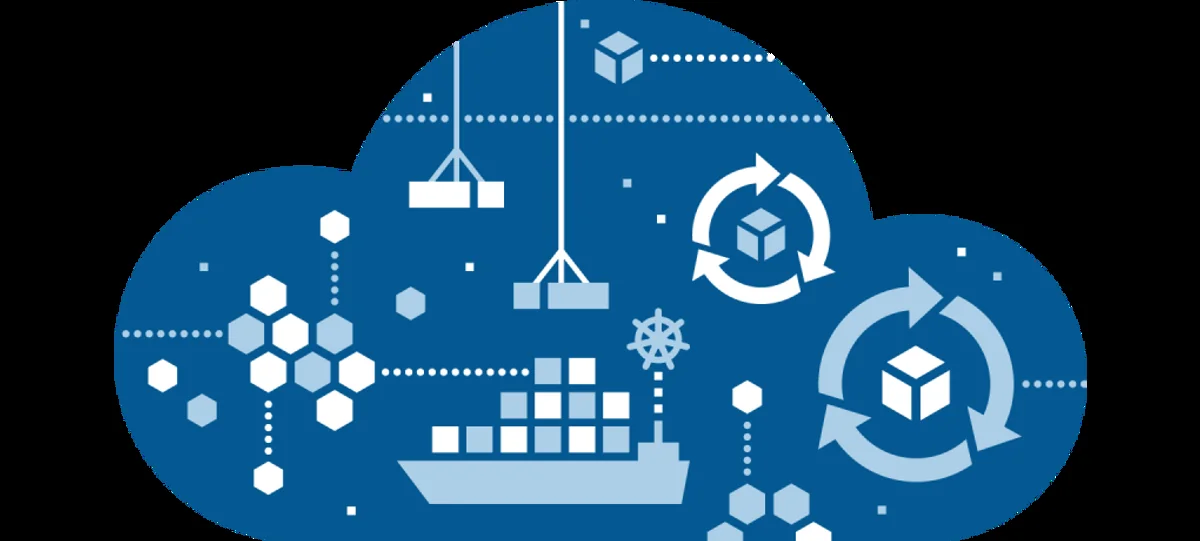
Cloud-native and Kubernetes have become the default answer for running modern applications, and for good reason. But treating them as the right home for every workload is a mistake that can lead to poor performance, higher cost, and painful operations.
Below, we explain what cloud-native really means, why some applications struggle with it, and how to match each workload to the deployment model that actually fits.
What are cloud-native applications and Kubernetes?
Cloud-native applications are designed from the start to run in the cloud: packaged as containers, built as loosely coupled services, and able to scale and recover automatically. Kubernetes has become the standard platform for running them, because it orchestrates containers, handles scaling and self-healing, and provides a consistent way to deploy across environments.
This model shines for applications built to take advantage of it. The trouble starts when an application was never designed for that world.
Where legacy applications struggle
Older applications and languages often fit awkwardly into containers. Java applications can carry a heavy runtime and large memory footprint that makes them expensive to pack densely onto a cluster, and PHP and other scripting languages were built for a different deployment model, so containerizing them can introduce resource-management issues rather than solve them.
The core problem is resource management: applications that assume a long-lived server with plenty of memory do not always behave well when squeezed into short-lived, resource-constrained containers, leading to instability and wasted capacity.
Cloud-native languages are a better fit
Languages built for the cloud-native era make far better use of Kubernetes. They tend to start fast, use little memory, and compile to small, self-contained binaries, which is exactly what a container platform wants. Go and Rust are the standout examples, delivering the low footprint, quick startup, and efficiency that let a cluster run many workloads densely and reliably.
This is not to say you must rewrite everything, but it explains why new cloud-native services are so often written in languages like Go rather than heavier, legacy runtimes.
VMs and bare metal vs containers
Containers are not the only way to deploy, and for some applications they are not the best. Workloads with heavy, steady resource needs, strict performance requirements, or deep dependencies on a specific environment can run better and more cost-effectively on virtual machines or bare metal, where they get dedicated resources and a familiar runtime.
For many legacy applications, an optimized VM or bare-metal deployment is simpler, more stable, and cheaper than forcing them into a container platform they were never designed for.
How to choose, and how 8grams helps
The right approach is to assess each application before deciding where it runs, weighing its language, resource profile, dependencies, and how much it would benefit from autoscaling and self-healing. Cloud-native suits stateless, scalable services; heavy or legacy workloads often belong on VMs or bare metal, and a mix is perfectly normal.
At 8grams, we help clients make that call honestly, deploying cloud-native workloads on Kubernetes where they thrive and keeping others on the platform that fits, so you get the best performance and cost for each application rather than forcing everything into one model.
Key takeaways
- Cloud-native and Kubernetes are powerful, but not every application is a good fit for containers.
- Legacy and resource-heavy apps, such as some Java and PHP workloads, can struggle with container resource management.
- Cloud-native languages like Go and Rust, with fast startup and small footprints, make far better use of Kubernetes.
- Heavy or legacy workloads often run better and cheaper on VMs or bare metal; assess each app before deciding.
References & further reading
Common questions.
What is a cloud-native application?
A cloud-native application is designed from the start to run in the cloud: packaged as containers, built as loosely coupled services, and able to scale and recover automatically. Kubernetes is the standard platform for running them.
Is every application suitable for Kubernetes?
No. Kubernetes suits applications designed to be containerized, stateless, and scalable. Legacy or resource-heavy applications that assume a long-lived server can perform poorly and cost more when forced into containers.
Why do some legacy applications struggle with containers?
Because they were designed for a different model. Java apps can carry heavy runtimes and large memory footprints, and scripting languages like PHP assume a traditional deployment, so containerizing them can create resource-management problems.
What makes a language cloud-native?
Cloud-native languages start fast, use little memory, and compile to small, self-contained binaries, which fits how container platforms schedule and pack workloads. Go and Rust are leading examples.
Are Go and Rust good for Kubernetes?
Yes. Their fast startup, small memory footprint, and single-binary output let a Kubernetes cluster run many workloads densely and reliably, which is why so many new cloud-native services are written in them.
When should you use VMs or bare metal instead of containers?
For workloads with heavy, steady resource needs, strict performance requirements, or deep environment dependencies, virtual machines or bare metal often perform better and cost less, since they provide dedicated resources and a familiar runtime.
Is it worth containerizing a legacy application?
Not always. If an application does not benefit from autoscaling and self-healing and fits awkwardly into containers, an optimized VM or bare-metal deployment can be simpler, more stable, and cheaper than forcing it onto Kubernetes.
How do you decide if an app should be cloud-native?
Assess its language, resource profile, dependencies, and how much it would gain from autoscaling and self-healing. Stateless, scalable services suit cloud-native; heavy or legacy workloads often belong on VMs or bare metal.
Can you mix cloud-native and traditional deployments?
Yes, and it is common. Many organizations run cloud-native services on Kubernetes while keeping heavier or legacy workloads on VMs or bare metal, choosing the best platform for each application rather than forcing one model.
Does cloud-native always save money?
No. For the right workloads it improves scalability and efficiency, but forcing an ill-suited application into containers can raise cost and reduce stability. Matching each app to the platform that fits is what actually saves money.
Related concepts.
Working on something like this?
Tell us about your project and we'll get back to you within one business day.
Talk to 8grams